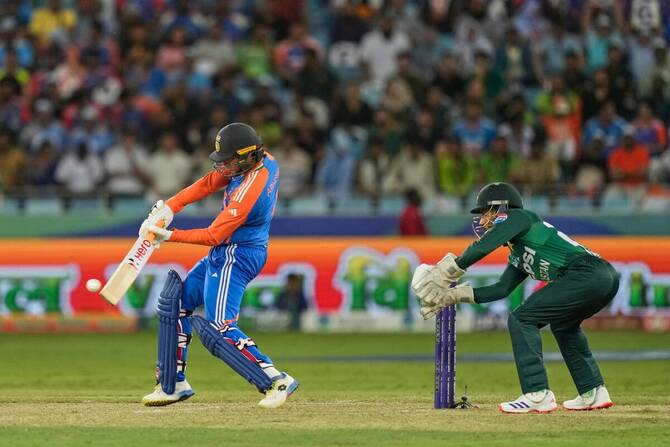
A live cricket match rarely stays inside the screen. It spills into group chats, dinner-table reactions, late-night posts, and the kind of one-line thoughts people save because they somehow catch the mood of the moment. That is part of the sport’s pull. Cricket has always had room for emotion, but live coverage gives that emotion a sharper edge. One over can change the feel of the whole evening. A quiet spell from a bowler can say more than a burst of boundaries. A chase can look calm on paper and still feel tense to anyone watching ball by ball. That mix of patience and pressure is precisely what makes cricket so easy to talk about and so easy to turn into short, memorable lines.
There is also a natural connection between live cricket and platforms built around short emotional writing. People do not always want a long recap. Sometimes they want one sentence that sums up the mood better than a paragraph could. Cricket gives them material for that constantly. A batter hanging on. A field closing in. A captain reading the moment well. A crowd sensing that the balance has shifted. These are not huge stories on their own, yet together they create the kind of atmosphere that makes people reach for words. That is why live cricket fits so naturally beside a donor rooted in expressive, shareable writing.
Why Cricket Gives People More to Say Than Most Sports
Many sports move too fast for language to settle. The moment is gone before anyone has even found the right way to describe it. Cricket works differently. It leaves space between deliveries, and that space matters. It allows viewers a second to notice what changed, what almost happened, and what might happen next. A batter taking extra time before facing. A bowler smiling after beating the outside edge. A captain moving one fielder ten steps finer. These details are small, but they often shape the whole feeling of the match. That is why people who watch cricket live usually have more to say than people who only check the score.
The reason is simple: live cricket is about presence. The whole experience depends on being there while the mood is still forming. That is precisely why a reaction written here can feel more alive than something posted much later when the tension has already gone flat. A line written after the match can still work, but it rarely hits the same way as something felt and written at the moment. That immediate reaction is what links live cricket with short-form expressive content. Both rely on timing. Both work best when the feeling is still fresh.
The Best Match Reactions Usually Come From the Quietest Shifts
People often assume that the most memorable lines come after the loudest moments. In cricket, that is not always true. A six into the stands will always get attention, but some of the sharpest reactions come during quieter passages, when the match starts leaning one way and only careful viewers can feel it. A bowling side strings together dot balls. A batter stops looking settled. A partnership that seemed comfortable begins to feel fragile. These are the shifts that create the deepest reactions because they are less obvious and more personal. Viewers are not repeating what the scoreboard already says. They are putting language to something they sensed before it became fully visible.
When a Match Starts Sounding Personal
That is where cricket becomes unusually good at producing lines people want to keep. A tense finish can remind someone of patience running thin. A recovery after early wickets can feel close to any ordinary struggle that turns around slowly. A batter absorbing pressure for ten overs can become a sentence about composure, pride, or refusal to panic. None of this needs to sound dramatic to work. In fact, the most natural lines are usually the simplest ones. They land because the game has already done the emotional work. The viewer only has to notice it and put it into words.
Why Quote-Friendly Platforms and Live Cricket Fit Together So Easily
Some websites are built around quick emotional recognition. People visit them for lines they can save, send, or post when a plain explanation feels too flat. Live cricket feeds that habit better than most forms of entertainment because it creates a constant stream of feelings that are easy to recognize and easy to phrase. The match gives people a rhythm. The writing gives them a way to pin that rhythm down in a short, neat form. That pairing feels natural because both are about capturing something fleeting before it disappears.
A few things make that connection especially strong:
- cricket unfolds in phases, so each phase brings a new mood
- viewers have time to react between balls instead of scrambling for words
- pressure builds gradually, which makes emotional shifts easier to name
- even ordinary overs can carry tension that deserves a sharp one-line reaction
That is why live cricket keeps generating content that travels well. It produces the kind of phrases people actually want to share.
A Good Cricket Line Usually Feels True Before It Sounds Clever
The strongest reactions to a live match are rarely the most polished ones. They are the ones that sound honest. A sentence about pressure rising. A quick note that one wicket changed everything. A line about a batter looking alone at the crease. These work because they are rooted in the actual feel of the game, not in forced wordplay. Cricket gives viewers enough texture to be sincere without becoming dull. There is always something happening beneath the score, and that makes even short reactions feel fuller than they would in many other sports.
That honesty matters when the donor space is built around emotional writing. Readers there are usually good at spotting lines that feel real and lines that feel manufactured. Cricket helps on that front because the emotion is already there. A close match does not need decoration. It already has rhythm, tension, pauses, and reversals. The writing only needs to meet the moment cleanly. When that happens, the result feels human and easy to remember.
Why Live Cricket Leaves Better Words Behind
A finished scorecard can explain what happened, but it rarely explains how the match felt while it was unfolding. That is why live cricket keeps producing lines that stay with people. The game gives them enough room to observe and enough tension to care. It lets the mood develop naturally, then almost invites a reaction when the balance shifts. For anyone who enjoys short expressive writing, that makes cricket a rich source of material. One evening can produce five or six lines worth saving without trying too hard.
That is the real link between live cricket and a quote-driven donor. Both are built around moments that are brief but loaded. Both depend on timing. Both work best when they capture a feeling before it fades. And when the match is good, the words usually come on their own.